A/B Testing Examples: A Beginner's Guide to Improving Email Marketing Campaigns
A/B testing allows you to understand what your subscribers genuinely respond to, helping you create campaigns that are more engaging, more relevant, and more profitable over time.
 Ayesha Ejaz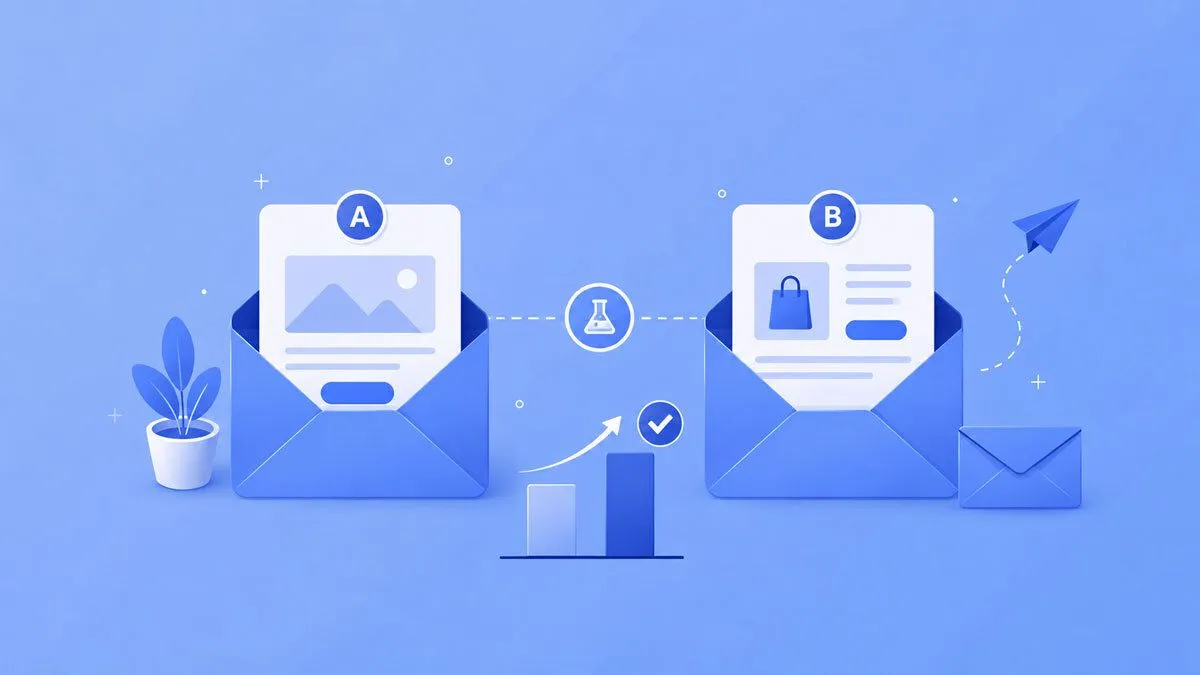
On this page
- What Is A/B Testing?
- Why A/B Testing Matters in Email Marketing
- Higher Click Rates
- Better Conversion Rates
- Improved Customer Experience
- Data-Driven Marketing
- How Does A/B Testing Work?
- Best Practices Before Running Your First Test
- Test One Thing at a Time
- Allow Enough Time
- Use a Large Enough Sample Size
- Focus on Business Goals
- A/B Testing Examples You Can Try Today
- Example 1: Emojis vs. No Emojis in Subject Lines
- Example 2: Short Subject Lines vs. Long Subject Lines
- Example 3: Questions vs. Statements in Subject Lines
- Example 4: Images vs. No Images
- Example 5: GIFs vs. Static Content
- Example 6: Personalized Subject Lines
- Example 7: Call-to-Action Buttons
- Example 8: Sender Name Testing
- Example 9: Email Length
- Example 10: Landing Page Headlines
- Example 11: Pop-Up Timing
- Example 12: Form Length
- Example 13: Send Time Optimization
- Example 14: Automation Delays
- Example 15: Discount Messaging
- Common A/B Testing Mistakes
- How to Measure A/B Testing Success
- Final Thoughts
- Frequently Asked Questions
- What is an A/B test?
- What should beginners test first?
- How long should an A/B test run?
- Can I test more than one thing at a time?
- Which metric matters most?
Every email marketer wants better open rates, higher click-through rates, and more conversions. The challenge is figuring out what your audience actually responds to. While you might have a great subject line or a beautifully designed email, there's no guarantee it will perform as expected. This is where A/B testing becomes one of the most valuable tools in your marketing strategy.
A/B testing, sometimes called split testing, removes the guesswork from email marketing. Instead of relying on assumptions, you compare two versions of an email or webpage to determine which one performs better based on real user behavior. Small improvements discovered through testing can lead to significant increases in engagement and revenue over time.
Whether you're sending newsletters, promotional campaigns, welcome emails, or abandoned cart reminders, A/B testing helps you make smarter decisions backed by data rather than opinions.
In this guide, you'll learn what A/B testing is, why it matters, how it works, and explore practical A/B testing examples you can apply immediately to improve your email marketing performance.
What Is A/B Testing?
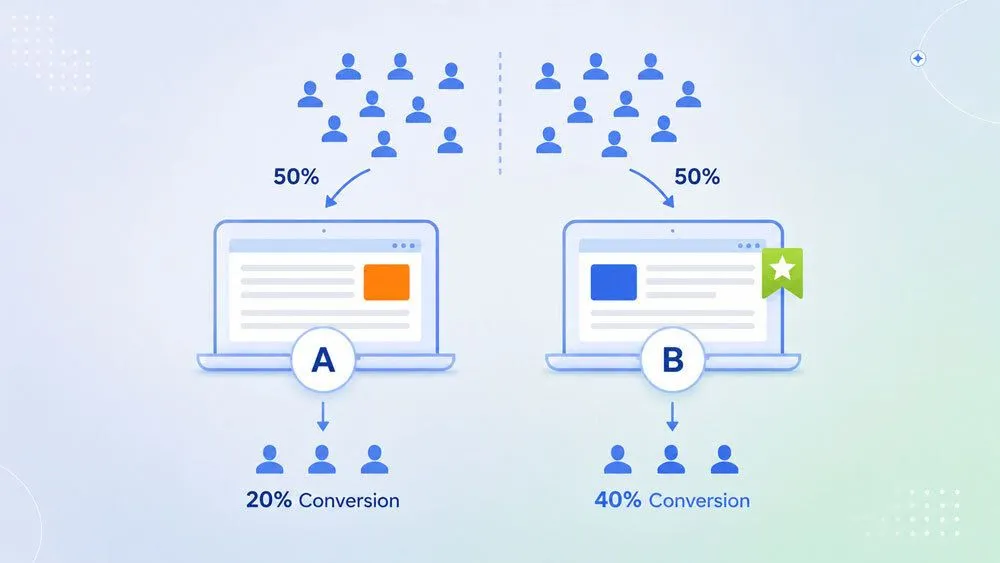
A/B testing is a method of comparing two versions of the same marketing asset to determine which performs better. The two versions are nearly identical except for one specific element that is being tested.
For example, imagine you're sending a promotional email to 10,000 subscribers. Instead of sending everyone the same email, you divide your audience into smaller groups.
- Group A receives Version A.
- Group B receives Version B.
After collecting enough data, you compare the results. The version with the better performance becomes the winner and is sent to the remaining subscribers or used in future campaigns.
The element being tested could be something as simple as:
- The subject line
- The sender name
- A call-to-action button
- Images
- Email layout
- Personalization
- Send time
- Discount wording
- Landing page design
The goal is always the same: identify which variation encourages more people to take the desired action.
Why A/B Testing Matters in Email Marketing
Many beginner marketers assume they already know what customers prefer. In reality, audiences often behave differently than expected.
A subject line you think is clever may generate fewer opens than a simple one. A colorful email design might actually reduce clicks because it distracts readers from the main message.
A/B testing allows you to discover these insights before sending campaigns to your entire audience.
Some of the biggest benefits include:
Higher Click Rates
Clicks are often a better indicator of engagement than opens because they show that subscribers took action after reading your email.
Testing different content, layouts, and CTAs helps identify what motivates readers to visit your website.
Better Conversion Rates
The ultimate goal isn't simply getting emails opened. You want subscribers to complete valuable actions such as purchasing a product, registering for a webinar, downloading a guide, or requesting a demo.
Even small improvements in conversion rates can significantly increase revenue over hundreds of campaigns.
Improved Customer Experience
Subscribers appreciate emails that are relevant, easy to read, and valuable.
Testing helps you understand what your audience enjoys so you can consistently deliver better experiences.
Data-Driven Marketing
Instead of making marketing decisions based on opinions, trends, or assumptions, you make improvements based on measurable results.
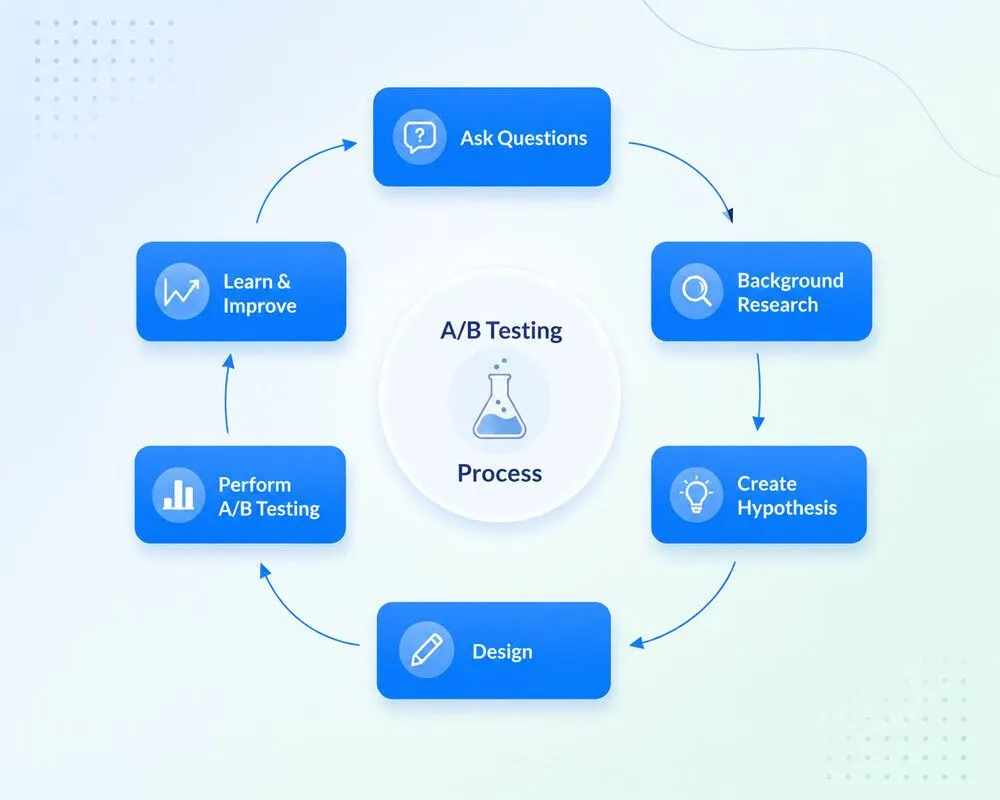
This creates a continuous cycle of learning and optimization.
How Does A/B Testing Work?
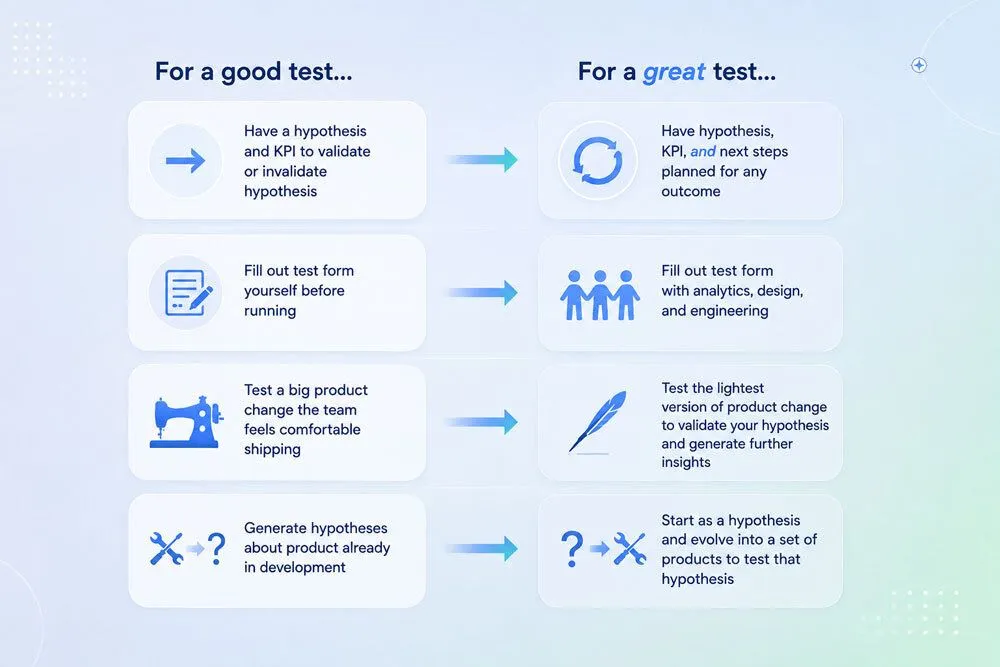
The process is surprisingly simple.
Step 1: Choose One Variable
Select one element you want to improve.
Examples include:
- Subject line
- CTA button
- Hero image
- Email length
- Personalization
- Send time
Only test one variable at a time. If you change multiple elements simultaneously, it becomes impossible to determine which change influenced the results.
Step 2: Create Two Versions
Build two nearly identical versions.
Example:
Version A
Download Your Free Guide Today
Version B
Get Your Free Marketing Guide
Everything else remains exactly the same.
Step 3: Divide Your Audience
Your email platform sends Version A to one portion of subscribers and Version B to another.
Most email marketing platforms, including Mailmunch, automatically split your audience and track the results.
Step 4: Measure Results
Depending on your campaign goals, compare metrics such as:
- Click-through rate
- Conversion rate
- Revenue
- Downloads
- Signups
While open rates are still useful, many marketers now prioritize clicks and conversions because privacy features introduced by email providers have made open rates less reliable.
Step 5: Select the Winner
Once enough data has been collected, use the higher-performing version for future campaigns or automatically send it to the remaining subscribers.
Best Practices Before Running Your First Test
Before jumping into different A/B testing examples, it's important to understand a few best practices.
Test One Thing at a Time
This is the golden rule of A/B testing.
Imagine changing the subject line, CTA button, email design, and images all at once.
If Version B performs better, which change caused the improvement?
You won't know.
Instead, isolate one variable so your results remain meaningful.
Allow Enough Time
Don't declare a winner after just a few minutes.
Subscribers open emails at different times throughout the day.
Depending on your audience size, waiting several hours or even up to 24 hours for some campaigns provides more reliable data.
Use a Large Enough Sample Size
Testing two versions on only a handful of subscribers can produce misleading results.
Larger sample sizes generally provide more accurate conclusions.
Focus on Business Goals
Always define success before launching your test.
Ask yourself:
- Do you want more opens?
- More clicks?
- More purchases?
- More downloads?
- More newsletter signups?
Your chosen metric should align with your campaign objective.
A/B Testing Examples You Can Try Today
Now let's explore practical A/B testing examples that beginners can implement immediately.
Example 1: Emojis vs. No Emojis in Subject Lines
One of the simplest tests involves adding an emoji to your subject line.
Example A
Summer Sale Starts Today
Example B
☀️ Summer Sale Starts Today
For some audiences, emojis attract attention and improve visibility in crowded inboxes.
For others, they can appear overly promotional.
There is no universal answer.
A technology company targeting professionals may see better results without emojis, while an ecommerce fashion brand might benefit from using them.
The only reliable way to know is through testing.
Key takeaway: Never assume emojis always improve open rates. Let your audience decide.
Example 2: Short Subject Lines vs. Long Subject Lines
Subject length can dramatically influence engagement.
Short example:
Your Free Guide Is Ready
Long example:
Download Your Complete Beginner's Guide to Email Marketing Today
Some subscribers prefer concise messaging that quickly communicates value.
Others appreciate additional context before opening an email.
If your audience primarily reads emails on mobile devices, shorter subject lines often display more effectively because fewer characters are truncated.
Testing different lengths helps identify which style resonates with your subscribers.
Example 3: Questions vs. Statements in Subject Lines
Another simple but effective A/B testing example is comparing a question-based subject line with a direct statement.
Version A
Are You Making These Email Marketing Mistakes?
Version B
10 Email Marketing Mistakes to Avoid
Question-based subject lines encourage curiosity. They invite readers to think about their own experiences, making them more likely to open the email to find the answer. Statement-based subject lines, on the other hand, clearly communicate what the reader will receive.
Neither approach is universally better. Educational newsletters often perform well with questions, while promotional campaigns may benefit from direct, benefit-focused statements.
If your campaigns are designed to educate your audience, testing questions can reveal whether curiosity drives more engagement than straightforward messaging.
Key takeaway: Test curiosity against clarity and use whichever consistently generates higher click-through rates.
Example 4: Images vs. No Images
Many marketers assume every email needs a large, eye-catching banner image. While visuals can improve branding, they can also distract readers from the primary call to action.
For example, imagine promoting a free ebook.
Version A
Includes a large cover image followed by the download button.
Version B
Begins with a short introduction and places the download button near the top of the email.
Depending on your audience, the text-first version may encourage more people to click because subscribers immediately see the value instead of scrolling past a large image.
Another consideration is loading speed. Large images can delay rendering on slower internet connections, creating friction before readers even reach your message.
Key takeaway: Attractive visuals should support your message, not compete with it.
Example 5: GIFs vs. Static Content
Animated GIFs can add personality and movement to an email, making product demonstrations more engaging.
However, animation is not always beneficial.
Imagine launching a new software feature.
Version A
Shows an animated GIF demonstrating the feature.
Version B
Uses a static screenshot with a prominent "Learn More" button.
While the GIF may capture attention, it could also distract readers from clicking through to your website.
Testing animated content against static visuals helps determine whether movement increases engagement or simply reduces focus.
Key takeaway: Animation should reinforce your message rather than become the main attraction.
Example 6: Personalized Subject Lines
Personalization is one of the most common A/B tests in email marketing.
Compare these examples.
Version A
Your Weekly Marketing Tips
Version B
Sarah, Your Weekly Marketing Tips
Adding a subscriber's first name can make an email feel more personal, but not every audience responds positively.
Some industries experience higher engagement through personalization, while others find that generic subject lines appear more trustworthy.
Beyond names, you can personalize using previous purchases, locations, or interests.
For example:
- Recommended products
- Recently viewed categories
- Membership status
- Preferred content topics
Key takeaway: Personalization works best when it feels relevant rather than forced.
Example 7: Call-to-Action Buttons
Your CTA button is often the most important element in an email because it directs readers toward the desired action.
Small wording changes can significantly impact click rates.
Examples include:
Version A
Learn More
Version B
Download Your Free Guide
Similarly, you can test:
- Button colors
- Button size
- Placement
- Rounded versus square buttons
- Multiple CTAs versus one primary CTA
Generally, action-oriented language performs better because it clearly communicates what readers will receive after clicking.
Key takeaway: Focus on clarity and value rather than clever wording.
Example 8: Sender Name Testing
Subscribers often decide whether to open an email based on who sent it.
Test different sender identities such as:
Version A
Mailmunch
Version B
Emma from Mailmunch
Some audiences respond better to company branding, while others prefer a more personal sender name that feels conversational.
If your business emphasizes relationships and customer success, a personal sender name may increase trust.
Key takeaway: The sender name influences credibility just as much as the subject line.
Example 9: Email Length
Should your email be short and direct or detailed and informative?
The answer depends on your audience and campaign objective.
For example, a flash sale announcement may only require a few sentences and one CTA.
A product launch or educational guide might benefit from additional explanations, testimonials, and FAQs.
Testing concise versus detailed content helps determine how much information subscribers need before taking action.
Key takeaway: More words are not always better. Provide only the information necessary to encourage the next step.
Example 10: Landing Page Headlines
A/B testing should not stop once someone clicks your email.
Your landing page deserves just as much optimization.
Consider these headlines.
Version A
Grow Your Email List
Version B
Grow Your Email List Without Spending More on Ads
The second version communicates a stronger benefit by addressing a common pain point.
Landing page testing can include:
- Headlines
- Images
- Testimonials
- Forms
- Pricing layouts
- CTA placement
- Trust badges
Even a modest improvement in landing page conversion rates can substantially increase the return on your email marketing campaigns.
Example 11: Pop-Up Timing
Pop-ups remain one of the most effective ways to build an email list, but timing is critical.
Examples to test include:
- Showing a pop-up after five seconds
- Showing it after thirty seconds
- Displaying it after scrolling halfway through the page
- Triggering it when visitors attempt to exit
Different audiences respond differently depending on their browsing behavior.
Testing helps identify the moment when visitors are most receptive without interrupting their experience.
Example 12: Form Length
Every additional field in a signup form introduces more effort for the visitor.
Compare these approaches.
Version A
Email Address
Version B
Name, Email Address, Company, Job Title and Phone Number
Shorter forms often generate more signups because they reduce friction.
Longer forms provide more customer information but may reduce conversion rates.
The ideal balance depends on whether lead quality or lead quantity is your primary goal.
Example 13: Send Time Optimization
Timing plays a major role in email performance.
Instead of assuming Tuesday mornings are always best, test different schedules.
Examples include:
- Morning versus afternoon
- Weekday versus weekend
- Business hours versus evening
Every audience develops unique habits.
B2B subscribers may engage during working hours, while ecommerce customers might browse after dinner.
Testing helps uncover these patterns.
Example 14: Automation Delays
Automation workflows also benefit from testing.
Imagine a welcome series.
Version A
Follow-up email after one day.
Version B
Follow-up email after three days.
Changing the delay between emails may improve engagement without requiring any new content.
The same principle applies to abandoned cart reminders, onboarding sequences, and re-engagement campaigns.
Example 15: Discount Messaging
The way you present an offer can influence conversions.
Compare these promotions.
Version A
20% Off Today
Version B
Save $20 Today
Depending on product pricing, one version may appear more valuable than the other.
Similarly, you can compare:
- Free shipping versus percentage discounts
- Limited-time offers versus evergreen promotions
- Bonus gifts versus price reductions
Testing promotional language helps identify which incentive motivates your audience most effectively.
Common A/B Testing Mistakes
Many beginners unintentionally reduce the accuracy of their tests.
Avoid these common mistakes:
- Testing multiple variables at once.
- Ending a test too early.
- Using very small sample sizes.
- Ignoring statistical significance.
- Choosing the wrong success metric.
- Making decisions based on a single successful campaign.
Consistency is key. Reliable insights come from repeated testing over time rather than isolated experiments.
How to Measure A/B Testing Success
The metric you prioritize should match your campaign objective.
Common performance indicators include:
- Open rate
- Click-through rate
- Click-to-open rate
- Conversion rate
- Revenue generated
- Signup rate
- Bounce rate
- Unsubscribe rate
For many modern email campaigns, click-through rate and conversion rate provide more reliable indicators of success than open rate alone because privacy protections can affect open-rate reporting.
Use your results to build future campaigns rather than treating each test as a one-time exercise.
Final Thoughts
Successful email marketing is built on continuous improvement rather than perfect first attempts. Every audience has different preferences, and assumptions rarely outperform real data. A/B testing allows you to understand what your subscribers genuinely respond to, helping you create campaigns that are more engaging, more relevant, and more profitable over time.
Start with small, manageable experiments such as subject lines, CTA buttons, or email layouts. Measure the results carefully, document your findings, and apply those insights to future campaigns. Over time, these incremental improvements compound into stronger engagement, higher conversion rates, and better overall marketing performance.
Modern email marketing platforms like Mailmunch make it easy to run A/B tests without requiring technical expertise. Whether you're testing newsletters, automated email sequences, landing pages, or signup forms, adopting a data-driven mindset will help you make smarter decisions and achieve more consistent results.
Remember, the goal of A/B testing isn't to prove an idea right it's to discover what works best for your audience. The more you test, learn, and optimize, the more effective your email marketing strategy will become.
Frequently Asked Questions
What is an A/B test?
An A/B test compares two versions of the same marketing asset to determine which one performs better using real customer data.
What should beginners test first?
Start with subject lines, call-to-action buttons, sender names, and send times. These variables are easy to change and often produce noticeable improvements.
How long should an A/B test run?
Allow enough time for subscribers to interact with your campaign. Larger audiences often reach meaningful results more quickly, while smaller lists may require additional time before declaring a winner.
Can I test more than one thing at a time?
For beginners, no. Testing a single variable provides clear, actionable insights. Once you gain experience, you can explore multivariate testing for more advanced optimization.
Which metric matters most?
That depends on your objective. If your goal is website traffic, focus on click-through rate. If your goal is sales, prioritize conversion rate and revenue.